

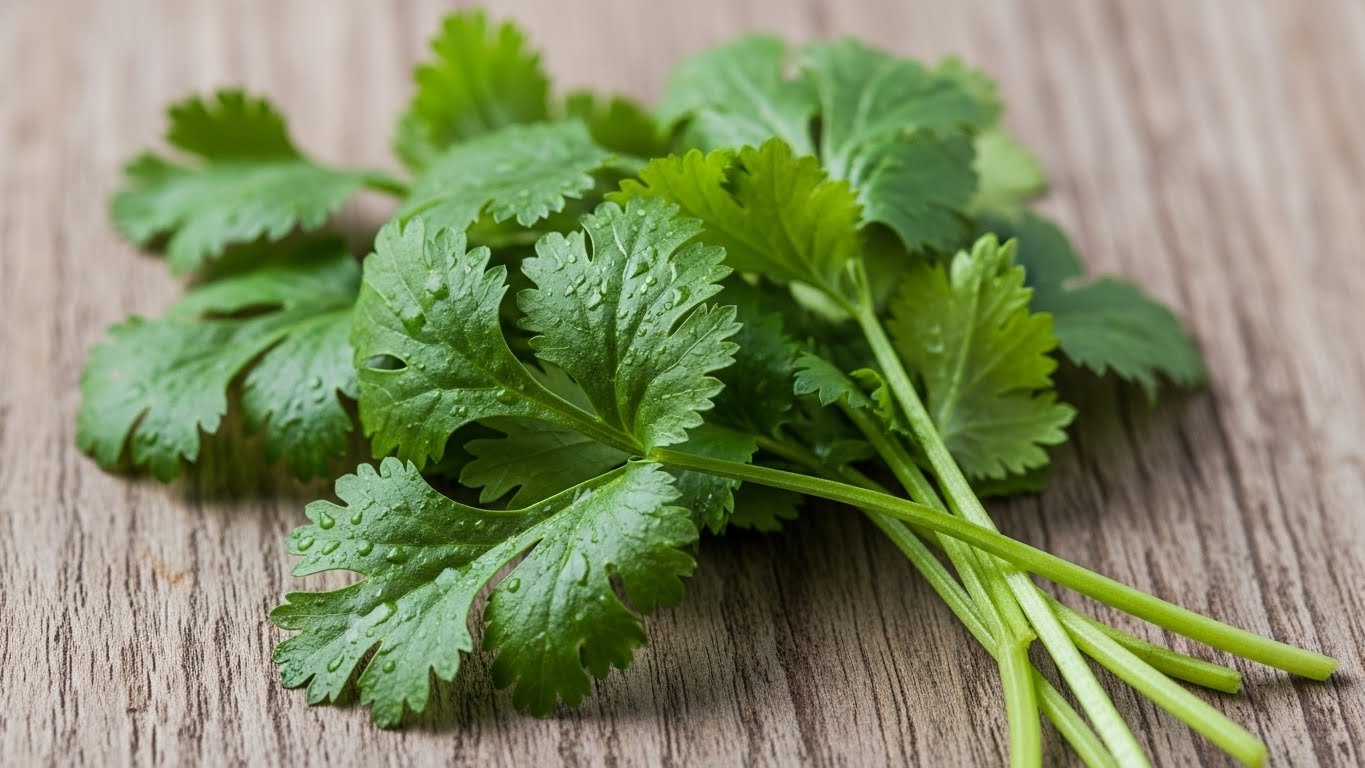
Koriandri, known as cilantro in many parts of the world, is a vibrant herb that adds a burst of flavor to dishes across various cuisines. With its distinctive aroma and taste, koriandri has carved out a special place in kitchens around the globe. From zesty Mexican salsas to aromatic Asian curries, this green delight transcends borders and brings people together through food.
But what makes koriandri so beloved? Is it its unique flavor profile or perhaps its impressive nutritional benefits? As we dive deeper into the world of koriandri, you’ll discover not only its rich history but also how you can incorporate this versatile herb into your culinary adventures. Whether you’re an experienced cook or just starting on your culinary journey, there’s much to explore with this remarkable herb.
History of Koriandri in Different Cultures
Koriandri, commonly known as cilantro, has a rich history that spans across various cultures. Ancient Egyptians revered it for its medicinal properties and even placed coriander seeds in tombs to accompany the deceased into the afterlife.
In Asia, particularly in India, koriandri is an essential ingredient in traditional dishes. It adds flavor to curries and chutneys alike. The Indian subcontinent celebrates it not only for taste but also for its numerous health benefits.
Mexican cuisine showcases koriandri prominently in salsas and guacamole. Its bright flavor balances out spicy elements beautifully.
Throughout Europe, especially during medieval times, coriander was used as a spice and believed to ward off evil spirits. This versatile herb connects diverse culinary traditions while holding cultural significance around the globe.
Nutritional Benefits of Koriandri
Koriandri, commonly known as cilantro, is more than just a flavorful herb. It packs a punch when it comes to nutrition and health benefits.
Rich in vitamins A, C, and K, koriandri can support your immune system while promoting healthy skin. The presence of antioxidants helps combat oxidative stress in the body.
This herb also boasts essential minerals such as potassium and magnesium. These nutrients contribute to heart health by regulating blood pressure levels naturally.
Moreover, koriandri has been associated with digestive benefits. Its compounds may help alleviate bloating and improve overall gut function.
Additionally, some studies suggest that koriandri may have anti-inflammatory properties. This could play a role in reducing symptoms related to chronic conditions like arthritis or allergies.
Incorporating this versatile herb into your meals not only enhances flavor but also elevates nutritional value significantly.
Popular Dishes Featuring Koriandri
Koriandri, or cilantro, is a vibrant ingredient that enhances the flavor profile of many dishes around the globe. In Mexican cuisine, it shines in fresh salsas and guacamole, adding a zesty kick that complements avocados and tomatoes perfectly.
In Indian curries, koriandri brings freshness to rich sauces. It’s often used as a garnish or blended into chutneys alongside spices for an aromatic explosion.
Thai cooking also celebrates this herb in its famous green curries and salads like larb. The bright notes of koriandri balance well with earthy flavors like fish sauce and lime.
Middle Eastern tabbouleh relies heavily on chopped koriandri mixed with bulgur wheat, parsley, tomatoes, and lemon juice for a refreshing cold dish perfect for summer gatherings.
With such versatility across cultures, it’s no wonder that koriandri has become beloved worldwide.
Tips for Cooking with Koriandri
Koriandri adds a vibrant touch to many dishes. When using fresh leaves, add them at the end of cooking to preserve their bright flavor. Heat can dull their taste.
For dried koriandri, such as seeds or powder, introduce it earlier in the cooking process. This allows its warm and earthy notes to infuse into your dish.
Chopping the leaves finely releases essential oils and enhances the aroma. A quick rinse under cold water will help maintain freshness before you chop.
Pair koriandri with citrus for an extra zing. Lime or lemon juice complements its flavor beautifully.
Experiment by mixing it into salsas, salads, or grain bowls for added depth. Its versatility is unmatched; try adding it to dressings and marinades too!
Remember that some people find koriandri’s taste overwhelming. Start with small amounts if you’re unsure about your guests’ preferences—season gradually for best results.
Alternative Uses for Koriandri
Koriandri, or cilantro, is more than just a garnish. Its leaves and stems can be used to create refreshing herbal teas. Simply steep fresh koriandri in hot water for an invigorating drink that boasts detoxifying properties.
Another intriguing use involves blending the herb into smoothies. The bright flavor complements fruits like mango and pineapple while adding a nutrient boost.
In skincare, koriandri’s antibacterial properties make it useful in homemade face masks. Crushing the leaves with yogurt creates a cooling mask that can help soothe irritated skin.
For those who enjoy crafting, dried koriandri seeds serve as natural potpourri ingredients. Their aroma adds an earthy touch to your home decor.
Consider using coriander oil as a massage oil for its calming effects on muscles and stress relief during relaxation sessions. This versatile herb truly shines beyond traditional culinary applications!
How to Grow Your Own Koriandri Plant
Growing your own koriandri plant is a rewarding venture. It’s surprisingly easy and requires minimal space.
Start with quality seeds from a reputable source. Choose a pot or garden bed with well-draining soil, enriched with organic compost for nutrients. Koriandri thrives in sunny spots, so place it where it can receive at least six hours of sunlight daily.
Water the plant regularly but avoid overwatering; the soil should be moist but not soggy. Thin the seedlings to prevent overcrowding once they’re about two inches tall.
Harvest leaves when they’re vibrant and lush, usually around four to six weeks after planting. Snip just above the base to encourage new growth.
As an annual herb, koriandri prefers cooler weather—consider starting seeds in early spring or fall for optimal flavor and yield. Enjoy fresh koriandri right from your garden!
Conclusion
Koriandri holds a unique place in global cuisines, bridging cultures and enhancing flavors. From zesty Mexican salsas to aromatic Asian curries, this versatile herb adds depth and character to countless dishes. Its rich history reflects its journey across continents, embraced by diverse culinary traditions.
Beyond its flavor profile, Koriandri is packed with nutritional benefits. It offers antioxidants and essential vitamins that contribute positively to health. Including it in your meals not only elevates taste but also supports wellness.
Cooking with Koriandri can be simple yet transformative. Whether you’re using fresh leaves or ground seeds, knowing how to incorporate this herb effectively will enhance your cooking experience. Remember that balance is key; too much can overpower a dish.
For those who love gardening, growing your own Koriandri plant could be rewarding. It’s easy to cultivate and ensures you have fresh herbs at hand whenever needed.
As we explore the many facets of Koriandri—from its historical significance to its culinary applications—it’s clear why this herb has garnered such affection worldwide. Embrace the vibrant flavors it brings into your kitchen!